

When you carry the weight of a painful past, everyday life can feel unpredictable. A reminder can show up in your body before you have had time to make sense of it: your chest tightens, your shoulders tense, or your mind jumps back to what happened. Trauma can continue to shape how you respond long after the danger has passed. Understanding how traumatic memories are processed can make EMDR feel less mysterious and help you decide whether it may be worth discussing with a therapist.
Understanding Trauma and PTSD
What is Trauma?
A deeply distressing or life-threatening experience can overwhelm your ability to cope in the moment. Trauma can include the emotional and physiological response that follows. After a traumatic event, memories of what happened can remain strongly connected to a sense of current threat when trauma-related reminders occur (Ehlers & Clark, 2000). A sound, image, sensation, or situation that reminds you of the event may trigger intense distress even when the original danger is no longer present.
Understanding that connection can help explain why a reaction sometimes feels immediate even when part of you knows you are in the present. If you are looking for treatment for trauma, understanding these patterns is one part of deciding what kind of trauma therapy may fit your needs.
Defining PTSD and Its Symptoms
After exposure to trauma, some people develop post-traumatic stress disorder when symptoms persist and begin interfering with daily life. You might experience intrusive memories, vivid nightmares, avoidance, difficulty concentrating, or a body that seems to stay alert for danger.
These symptoms can reflect a system that continues responding as though danger may still be present. Mental health therapy can help you understand these patterns and determine what kind of support fits your needs.
The Impact of Trauma on the Brain
During a frightening experience, your brain prioritizes detecting and responding to threat. Acute psychological stress can interfere with working memory and activity in brain regions involved in cognitive control, making it harder to process information during stressful experiences (Qin et al., 2009).
For some people, the traumatic memory remains strongly connected to sights, sounds, physical sensations, or other reminders of the event. Those reminders can activate a strong emotional or physical response long afterward. Trauma therapy helps people work with those memories so they may become less distressing and easier to place in the context of the past.
Introduction to EMDR Therapy
What is EMDR?
Eye movement desensitization and reprocessing, or EMDR, is a structured trauma-focused psychotherapy used to treat PTSD. EMDR was developed by Francine Shapiro in the late 1980s, initially using guided eye movements while individuals recalled distressing traumatic memories (Shapiro, 1989). EMDR is recognized in major clinical guidelines as an evidence-supported and effective treatment for PTSD. It is one of several trauma-focused approaches that may be considered depending on the person, their needs, and the therapist’s training.
You may also see EMDR described broadly as an effective treatment for trauma. More precisely, the effectiveness of EMDR is most strongly established for PTSD, so treatment decisions should take the person’s symptoms, history, and needs into account.
How EMDR Works
During EMDR therapy, your therapist may ask you to focus on a distressing image, negative belief, emotion, or body sensation connected to a traumatic memory while you follow eye movements or another form of bilateral stimulation.
EMDR is designed to help reduce the distress connected to traumatic memories and support the processing of information related to what happened and what is true now. Research supports EMDR as an effective treatment for reducing PTSD symptoms (Simpson et al., 2025). The precise contribution of bilateral stimulation and the mechanisms underlying its therapeutic effects remain under investigation.
If you and your therapist decide to use EMDR therapy, the work happens within a structured protocol rather than beginning immediately with the most difficult memory.
The Phases of EMDR Therapy
EMDR follows a structured eight-phase protocol comprising history taking, preparation, assessment, desensitization, installation, a body scan, closure, and reevaluation (Menon & Jayan, 2010). The first phase of EMDR focuses on history taking and treatment planning. Preparation follows before the trauma-processing phases begin. Your therapist gets to know your history, explains the process, and works with you on ways to manage distress that may come up during treatment.
Each phase of EMDR serves a different purpose, and the pace can be adjusted according to your needs and response rather than following the same timeline for everyone. There is no single timeline for what successful EMDR should look like.
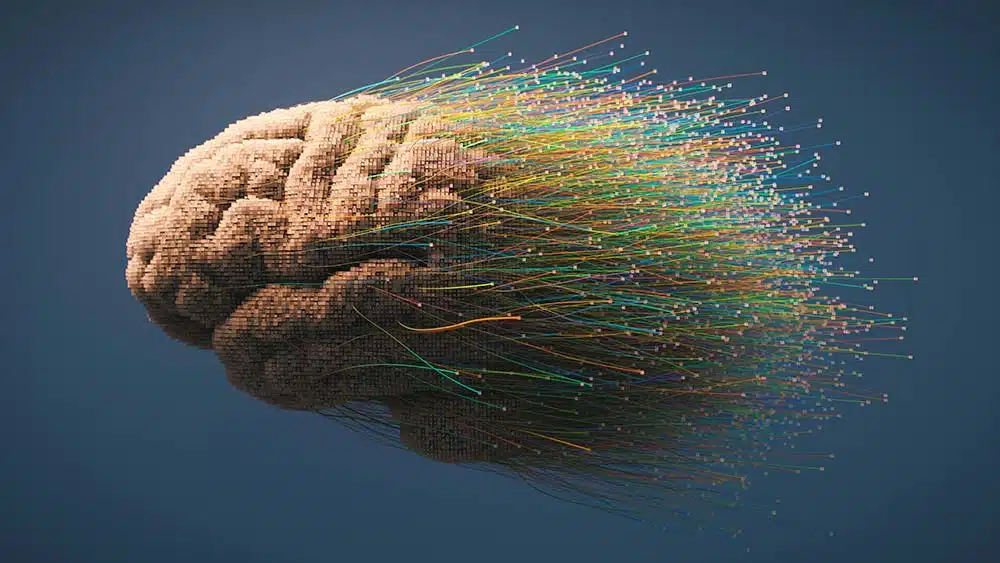
How EMDR Helps the Brain Process Trauma
Bilateral Stimulation Explained
Bilateral stimulation involves rhythmic left-to-right sensory input, such as guided eye movements, tactile taps, or auditory tones. During part of an EMDR session, you pay attention to this stimulation while also bringing aspects of a traumatic memory to mind.
Researchers are still studying exactly why this combination can help. One proposed explanation is that holding a memory in mind while attending to another task places demands on working memory, which may reduce the vividness or emotional intensity of the memory. Other explanations have also been proposed, so the exact mechanism remains an ongoing area of research.
Trauma Memory Recall During EMDR
During trauma memory processing, you may bring a particular image, emotion, negative belief, or body sensation into awareness while following the bilateral cues. You remain awake and aware of what is happening in the room, and your therapist can help you stay connected to the present as the work unfolds.
Over repeated sets, some people find that the target memory becomes less vivid or less emotionally intense. EMDR can help people work with these memories without requiring the same pace or response from everyone. You can communicate with your therapist, slow down, or pause when needed.
Reducing Emotional Intensity of Traumatic Memories
The effectiveness of EMDR therapy for PTSD includes its ability to reduce PTSD symptoms and distress associated with traumatic memories. What that looks like can vary from person to person.
For some people, a memory that once felt immediate or overwhelming may become easier to think about without the same level of emotional or physical activation. The memory remains part of your history, while its effect on the present may become less intense.
EMDR also focuses on beliefs connected to the traumatic experience. A negative belief about yourself, safety, responsibility, or control may be identified during treatment, along with a more adaptive or positive belief that you would prefer to associate with the experience.
Benefits of EMDR for Healing from Trauma
Establishing Adaptive Responses
During EMDR, your therapist may ask what positive belief you would prefer to hold about yourself when thinking about the traumatic memory. Earlier experiences may have become connected to a negative belief such as feeling unsafe, powerless, or responsible for what happened.
Later phases of EMDR therapy can focus on whether the positive belief begins to feel more accurate as the memory is processed. The goal is to notice whether a different understanding feels more believable in light of what you know now.
Change can be gradual, and progress may look different from one person to another.
Comparing EMDR with Cognitive Behavioral Therapy
EMDR and trauma-focused cognitive therapies use different methods to address PTSD. Cognitive Processing Therapy, for example, works directly with trauma-related beliefs and interpretations. EMDR combines focused attention on aspects of traumatic memories with bilateral stimulation and often requires less detailed verbal recounting of the event.
Both approaches are supported treatments for PTSD, along with other forms of trauma-focused therapy. There is no single approach that fits every person. At Wholehearted Counseling, modalities vary by provider, so your needs and the therapist’s training are part of deciding which approach may be the better fit.
Evidence for EMDR Therapy
Research on the effectiveness of EMDR supports it as one of several trauma-focused psychotherapies used to treat PTSD. Clinical guidelines from organizations including the Department of Veterans Affairs and the World Health Organization include EMDR among psychological treatments for PTSD.
That evidence supports EMDR as an effective treatment option for PTSD, while individual response can still vary. Your history, current needs, preferences, and therapist fit all matter when deciding what kind of treatment makes sense for you.
EMDR has also been studied for other mental health conditions, but the evidence is not equally strong across every concern. This is another reason treatment decisions should be based on the person rather than assuming that one method fits everyone.

Preparing for an EMDR Session
What to Expect in an EMDR Session
Before trauma processing begins, your therapist generally spends time learning about your history, discussing treatment goals, explaining EMDR, and helping you prepare for difficult reactions that might come up.
During the processing portions of treatment, you may focus on a specific image, negative belief, emotion, or body sensation while following eye movements or another form of bilateral stimulation. You remain awake throughout the process and can tell your therapist when you need to pause, slow down, or talk about what you are noticing.
A successful EMDR process does not depend on moving through each phase quickly. Your response helps guide the pace.
Finding the Right EMDR Therapist
Working with a therapist who has appropriate EMDR training can be an important part of the process. When comparing therapists, you can ask how providers are trained in EMDR, how frequently they use the approach, and whether their experience fits the concerns bringing you to therapy.
Wholehearted Counseling has therapists with different specialties and modalities, including providers who specialize in EMDR Therapy. Finding the right therapist is about more than choosing a treatment name. It also means matching your needs with someone whose training and approach fit what you are looking for.
You may also come across broad labels such as trauma-informed therapy when looking for a therapist. Wholehearted’s approach places more emphasis on the actual therapist, their training, their areas of focus, and whether the fit makes sense for the individual client.
If you have used EMDR before, you can also tell a prospective therapist what that experience was like and what felt helpful or difficult about the process.
Common Concerns Before Starting EMDR Treatment
It is understandable to feel both interested and apprehensive before beginning EMDR therapy. You may wonder whether focusing on a traumatic memory means having to relive everything that happened.
EMDR does involve bringing aspects of the memory into awareness, but it does not generally require you to give a detailed verbal account of every part of the experience. Preparation, pacing, and communication with your therapist are part of the process.
Conclusion
EMDR is one evidence-supported trauma-focused treatment used to treat PTSD. It is designed to help people process traumatic memories so the memories and reminders connected to them may become less distressing over time.
Whether EMDR is a good fit depends on your history, goals, current needs, and the therapist’s training. At Wholehearted Counseling, modalities vary by provider, and therapist fit is part of that decision. If you want to ask whether EMDR may be appropriate for you, you can contact Wholehearted Counseling to talk through your needs and next steps.
Frequently Asked Questions
How long does EMDR therapy take to show results?
The duration of EMDR therapy varies depending on your history, goals, the memories being addressed, and how you respond to treatment. Some people notice changes within a few sessions, while others benefit from a longer course of care.
The phases of EMDR therapy provide structure, but they do not require everyone to move at the same pace. Your therapist can adjust treatment according to what you are working on and how you are responding along the way.
Is EMDR therapy safe for everyone?
Whether EMDR is appropriate depends on the person, their current needs, and a clinician’s assessment. Preparation is an important phase of EMDR, and a qualified therapist will consider your history, current stability, coping resources, and readiness before beginning trauma processing.
You remain awake during EMDR and can communicate with your therapist throughout the session. If the work becomes too intense, you can ask to slow down or pause.
Can EMDR therapy be used for other issues besides PTSD?
The strongest evidence for EMDR is for the treatment of PTSD. EMDR has also been studied for anxiety and other mental health conditions, but the research outside PTSD is more limited and varies depending on the condition being treated.
As a form of mental health therapy, EMDR may be considered alongside other approaches rather than assumed to be the right treatment for every concern. An EMDR-trained therapist can help you determine whether the use of EMDR makes sense for what is bringing you to therapy.
What should I do if I feel overwhelmed during EMDR?
If you begin to feel overwhelmed during an EMDR session, tell your therapist. You can pause the processing work and return your attention to what is happening in the room.
Your therapist can use grounding or other techniques to help you reconnect with the present and decide what makes sense next. Therapy helps most when the pace can respond to what is happening for the individual rather than requiring them to push through distress.
Are there any side effects of EMDR therapy?
Some people may feel emotionally activated, tired, or more aware of difficult material after trauma-focused therapy sessions. Research on adverse effects specifically associated with EMDR has been less systematic than research on its benefits, so reactions can vary.
If you notice changes in sleep, dreams, mood, or distress after a session, talk with your therapist about what you are experiencing. They can help you consider whether the pace, preparation, or treatment plan needs to be adjusted.
Is EMDR hypnosis?
No. EMDR therapy is not hypnosis. You remain awake and aware during the session and actively participate in the process.
EMDR uses bilateral stimulation, such as guided eye movements, taps, or tones, while you focus on parts of a distressing memory. You can speak with your therapist or ask to pause at any point.
Will I have to talk about all the details of my trauma?
You generally do not need to describe every detail of a traumatic event for EMDR processing to take place. EMDR focuses on aspects of the memory such as images, beliefs, emotions, and physical sensations rather than requiring a detailed verbal retelling of the entire experience.
Your therapist will still need enough information to understand what you are working on and to help you move through the process appropriately.
Can EMDR help after a recent traumatic event?
EMDR has been studied as an early intervention after recent traumatic events. Some research suggests it may reduce post-traumatic symptoms in the short term, but the evidence for early intervention is less established than the evidence supporting EMDR for PTSD.
A therapist trained in EMDR can help you consider the timing of treatment, the symptoms you are experiencing, and whether EMDR is appropriate for what you are dealing with now.
How does EMDR help your brain process trauma?
EMDR is based on the idea that traumatic memories can remain connected to distressing emotions, physical sensations, and beliefs in ways that make reminders feel immediate. During treatment, you bring parts of the memory to mind while engaging in bilateral stimulation.
EMDR therapy helps some people experience a reduction in PTSD symptoms and distress associated with those memories. Researchers are still working to understand exactly which mechanisms produce those changes, so the benefits of the treatment are better established than one single explanation of how it works in the brain.
For some people trying to process trauma, that can mean remembering what happened without experiencing the same level of present-day emotional or physical activation.
What is the goal of EMDR therapy?
The goal of EMDR is to reduce the distress associated with traumatic memories and help you process the beliefs, emotions, and physical reactions connected to them. EMDR focuses on the traumatic memory while also helping you stay aware of what is happening in the present.
As treatment progresses, a negative belief connected to the experience may feel less convincing, while a more adaptive positive belief may begin to feel more accurate. The memory remains part of your history. The aim is for it to carry less influence over how you respond in the present.
References
- Ehlers, A., & Clark, D. M. (2000). A cognitive model of posttraumatic stress disorder. Behaviour Research and Therapy, 38(4), 319–345.
- Shapiro, F. (1989). Eye movement desensitization: A new treatment for post-traumatic stress disorder. Journal of Behavior Therapy and Experimental Psychiatry, 20(3), 211–217.
- Menon, S. B., & Jayan, C. (2010). Eye movement desensitization and reprocessing: A conceptual framework. Indian Journal of Psychological Medicine, 32(2), 136–140.
- Qin, S., Hermans, E. J., van Marle, H. J. F., Luo, J., & Fernández, G. (2009). Acute psychological stress reduces working memory-related activity in the dorsolateral prefrontal cortex. Biological Psychiatry, 66(1), 25–32.
- Simpson, E., Carroll, C., Sutton, A., Forsyth, J., Rayner, A., Ren, S., Franklin, M., & Wood, E. (2025). Clinical and cost-effectiveness of eye movement desensitization and reprocessing for treatment and prevention of post-traumatic stress disorder in adults: A systematic review and meta-analysis. British Journal of Psychology, 116(4), 1128–1149.