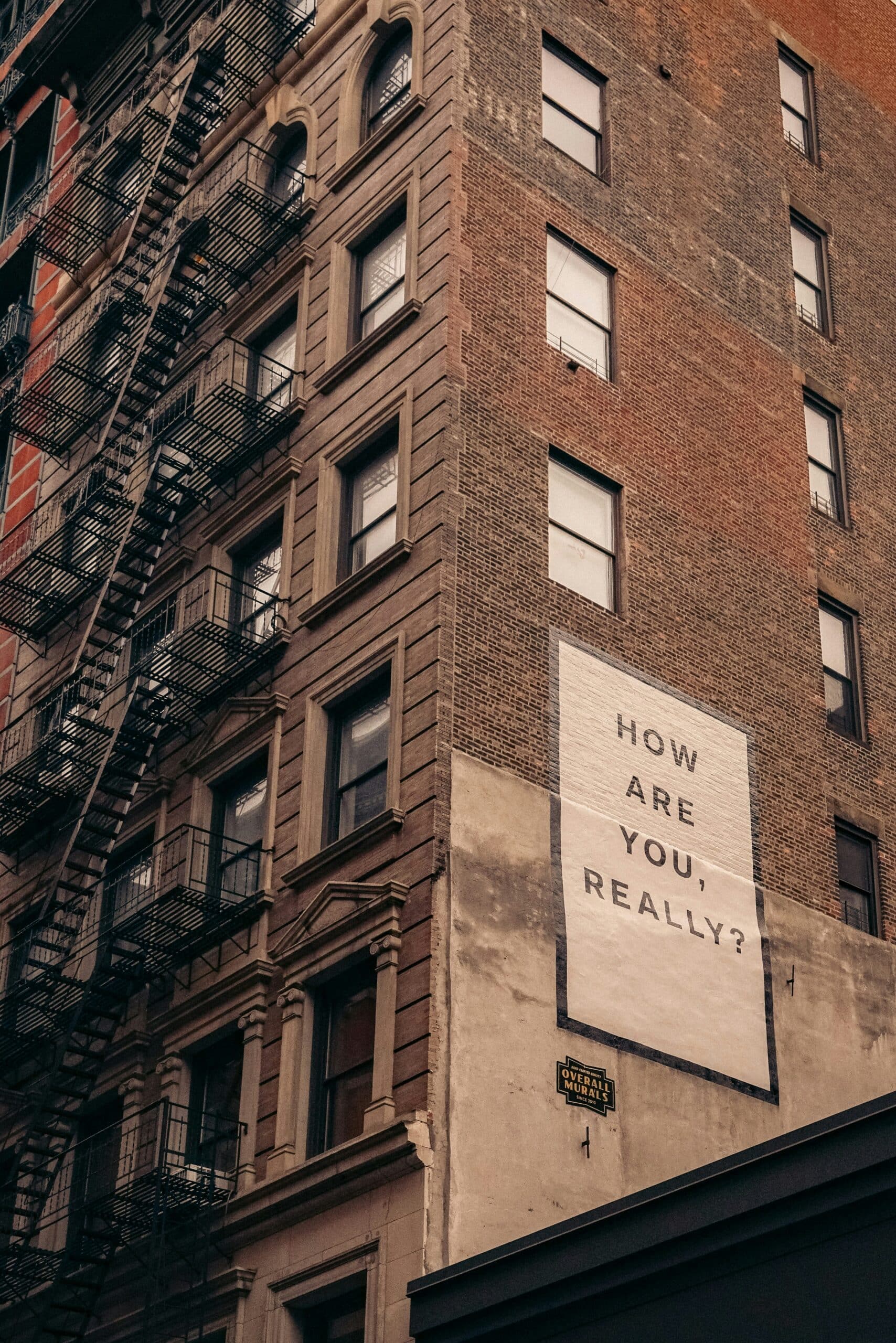

Depression doesn’t always look like sadness. In our work with clients across Virginia Beach, Carrollton, and through telehealth, we often hear a different concern: “Why do I feel nothing at all?” Emotional numbness can be one of the most confusing parts of depression, leaving us disconnected from our feelings, relationships, and daily lives.
At Wholehearted Counseling, we’re a grounded, client-centered group practice that believes people deserve to feel heard, understood, and matched with support that fits their needs. In this article, we’ll explore why depression can show up as numbness instead of sadness, what may contribute to it, and how healing can begin for many of us over time too.
What Is Depression? Definitions and Key Facts
Let’s start with a clear definition. Depression, also known as major depressive disorder or clinical depression, is a diagnosable mental health condition with specific symptoms. It goes well beyond normal sadness, low moods, or having a rough week. When someone lives with depression, their mood, energy, motivation, and even body can be affected day in and day out. These aren’t just mood swings or bad days that “go away on their own.”
What’s the difference between depression and just feeling sad? Sadness is a natural emotion; it’s usually tied to an event, and it doesn’t last for weeks at a time. Depression is persistent, lasts most days for at least two weeks, and can disrupt how we work, connect with others, and take care of ourselves. It’s about more than feelings, it’s a medical condition.
Research supports this estimate, with a large nationally representative study published in JAMA Psychiatry finding that approximately 1 in 5 U.S. adults will experience major depressive disorder during their lifetime (Hasin et al., 2018). That’s over 20 million Americans every year. Depression can affect anyone, no matter their background or beliefs, and emotional numbness, often referred to as emotional blunting, is a well-documented symptom of depression that researchers have identified as a common part of the experience for many individuals with major depressive disorder (Ma et al., 2021).
Feeling Numb Versus Feeling Sad: Exploring Emotional Responses in Depression
A lot of us expect depression to feel like heavy sadness, tearing up at commercials, lying in bed with a heart full of pain. But sometimes, depression shows up as a strange emptiness: you don’t feel sad, you just feel…nothing. This is called emotional numbness, and it can be confusing or even scary. You might notice you’re less interested in hobbies, you’re not reacting to good or bad news, or it’s hard to find words for how you feel at all.
Why does numbness happen instead of sadness? Psychologically, our brains sometimes “shut down” emotions as a way to protect us from overwhelming feelings. Neurobiology plays a role too, when depression changes the chemicals in our brains, it can literally flatten out our emotions and make it tough to connect. Emotional flatness, apathy, and disconnection aren’t signs you aren’t trying or that you don’t care, they’re valid symptoms of depression.
It’s important to know this: feeling numb doesn’t mean you’re broken. Numbness is just another way depression can show itself, and recognizing it helps us take steps toward feeling better. Understanding your own emotional state is the first step to addressing it, and you’re not alone in this experience.

Why Am I Numb? Understanding the Causes and Triggers of Emotional Numbness
If you find yourself feeling numb more often than sad, you might wonder why your emotions have gone quiet. Emotional numbness is actually a very common experience within depressive disorders. It’s not just a “weird” reaction, there are meaningful reasons it happens, and it’s something lots of people battle when dealing with depression.
For many of us, numbness creeps in as a response to both what’s happening in our brains and what’s going on in our lives. The causes are layered, part biological, part psychological, part about what life is throwing our way. Sometimes the brain’s chemistry changes, making it harder to feel, and sometimes past pain, constant stress, or trauma encourages us to turn off our feelings as a way of surviving day-to-day.
The next sections will open up both sides of this coin: we’ll look at what happens biologically in the brain during depression, and also dig into the environmental and emotional stressors that can push us toward numbness. By unpacking these causes, you’ll be better equipped to recognize patterns in yourself and spot what might be making your numbness worse.
Biological Factors: Brain Chemistry and Numbness
Emotional numbness often starts deep inside the brain. When we experience depression, certain chemicals, like serotonin, dopamine, and norepinephrine, get out of balance. These neurotransmitters help control mood, motivation, and pleasure, so when they’re disrupted, it gets harder to feel anything at all, happy or sad.
Depression also affects the way parts of the brain communicate, especially circuits tied to emotion and stress. Even hormones linked to stress, like cortisol, can play a role in flattening emotions. Remember, numbness isn’t a choice or a personality flaw, it’s the brain reacting to illness, and that deserves compassion and understanding, not blame.
Psychological and Environmental Triggers for Numbness
Sometimes, numbness grows out of experiences like trauma, chronic stress, or major losses. If you’ve been through tough situations, maybe grief from losing someone close, ongoing anxiety about life changes, or even years of feeling overlooked, the mind can try to protect itself by shutting down emotionally. It’s a survival skill that can become its own problem.
Coping strategies like emotional “checking out” might provide relief temporarily, but over time, they can deepen numbness. Environments where feelings aren’t discussed or mental health isn’t supported can also encourage people to suppress emotions. Recognizing these patterns is the first step toward changing them.
Common Signs of Depression That Extend Beyond Sadness
Depression involves a range of emotional, cognitive, physical, and behavioral symptoms that extend beyond feeling sad, many of which are reflected in the diagnostic criteria outlined in the DSM-5 (Tolentino & Schmidt, 2018).
- Emotional Numbness: Instead of undeniable sadness, you might feel empty, detached, or have trouble connecting with loved ones or things you once enjoyed. This flatness can be just as powerful as sadness, sometimes even more so.
- Loss of Interest (“Anhedonia”): Activities you used to love, like hobbies or socializing, may seem pointless. Nothing feels fun or rewarding, leading to withdrawal from friends and family.
- Fatigue and Low Energy: Depression can make getting out of bed or handling simple tasks a mountain to climb. Your body and mind feel constantly tired, no matter how much you rest.
- Changes in Appetite or Weight: Some people find they lose their appetite and drop weight, while others eat more to cope and gain weight. Both are common markers of depression.
- Sleep Disturbances: Trouble falling asleep, waking up often, or oversleeping can signal depression. Poor sleep worsens other symptoms, trapping you in a cycle.
- Irritability or Anger: It isn’t always tears, sometimes, depression shows up as frustration, impatience, or even bursts of anger, especially in men or adolescents.
- Poor Concentration and Forgetfulness: Depression can fog your mind, making it tough to focus, remember things, or make decisions.
- Physical Aches and Pains: You might have unexplained headaches, stomach problems, or body pain. Depression impacts the whole body, not just the emotions.
- Feelings of Hopelessness or Guilt: Persistent thoughts that things will never get better, and blaming yourself for any misstep or struggle, are common in depression.
Depression in the Digital Age: Technology and Emotional Disconnection
Our lives today are more connected than ever, but that constant connection doesn’t always protect us from feeling alone, or depressed. In fact, the rise of smartphones, social media, and digital communication is changing the way many of us experience emotions and handle our mental health. Extended screen time, doom scrolling, and the constant pressure to keep up with others online can leave us feeling isolated, empty, or unable to measure up.
For some, scrolling through curated posts triggers comparison and “FOMO”, that fear of missing out. Cyberbullying and online harassment add another layer of pain that can push folks deeper into withdrawal or numbness. On the flip side, technology is also opening new doors to help, with telehealth, mental health apps, and online support groups bringing therapy and connection to people who might not reach out otherwise.
The next sections will break down how social media shapes our mental health and what digital tools might actually help us reconnect. By understanding these forces, we can become smarter about protecting our mental health in a digital world.
Social Media and Mental Health: The Highlight Reel Effect
Social media platforms love to show off the best moments, vacations, promotions, perfect families, but rarely the bad days. This “highlight reel” effect makes it easy to feel like everyone else is winning at life while we’re stuck in neutral. When we compare ourselves to these filtered images, it’s easy to develop self-doubt, inadequacy, and even emotional numbness.
There are additional risks too. Seeking validation through likes and comments can create a cycle of anxiety and never feeling satisfied. Cyberbullying and harsh comments can also sting, causing us to withdraw emotionally or shut down completely. Reflecting on our social media habits is an important first step in caring for our own well-being.
Digital Therapeutics and Online Support
- Teletherapy: Online therapy sessions through secure video chats bring therapeutic support directly to you. This can be a lifeline for folks who need flexible, private options from home.
- Mental Health Apps: Mobile apps are available for mood tracking, mindfulness, and cognitive behavioral exercises, giving you tools to manage stress or track patterns right from your phone.
- Online Support Groups: Digital communities, forums, and peer support networks offer safe spaces to share your story and connect with others who understand, reducing the sense of isolation.
- Virtual Support from Local Therapists: Many counseling practices, like Wholehearted Counseling therapists, offer telehealth services to connect you with experienced therapists who prioritize your individual needs and comfort.

How to Regain Emotional Connection: Practical Guidance for Numbness in Depression
- Practice Grounding Techniques: Use your senses to bring yourself into the moment, try holding an ice cube, feeling a textured object, or naming five things you see and hear. These small actions help reconnect mind and body.
- Move Your Body Gently: Walking, stretching, or dancing to music can help your nervous system wake up, even if motivation is low. This isn’t about exercise for results, it’s about movement for mood.
- Express Yourself Creatively: Drawing, writing in a journal, or playing music lets feelings emerge in a way that words alone might not. Sometimes our hands know more than our brains do.
- Reach Out for Support: Text a friend or family member, or consider working with a therapist who understands emotional numbness. You don’t have to face it solo. Practices offer both in-person and telehealth therapy options to fit your comfort.
- Be Patient and Gentle with Yourself: Change takes time. Celebrate small shifts, and repeat the reminder: we’re all human, and recovery is a shared journey.
When to Seek Support and Next Steps
It’s important to know when handling depression on your own might not be enough and when getting professional support could make all the difference. If numbness, hopelessness, or other symptoms are lasting weeks, affecting your ability to work, study, or maintain relationships, or you notice thoughts of self-harm or not wanting to go on, it’s time to reach out.
A key part of healing is finding the right match in a therapist: someone who makes you feel heard and who understands the reality of feeling numb. At a group practice like Wholehearted Counseling, the intake process starts with an open conversation about your needs, preferences, and goals. You can choose from our Depression Therapists in Virginia Beach, providers in Carrollton, or through secure telehealth, matching you to clinicians focused on collaborative, individualized care.
Support is accessible, often more so than we expect. Reaching out is not weakness; it’s a bold step toward a better tomorrow. Whether it’s in-person or virtual, human-centered help is available, and you deserve to feel connected and cared for.
Conclusion
Depression doesn’t always look like endless sorrow, sometimes, it’s the silence of numbness. We’ve explored why this happens, how common it is, and practical steps to begin reconnecting with your emotions. Remember, numbness is a valid, and often misunderstood, symptom of depression, not a failure.
Awareness is the first step. When we understand what we’re facing, we can move toward change, seek support, and start to rebuild emotional color. None of us have to go through it alone; hope and healing are possible, one step at a time.
Frequently Asked Questions
Is feeling numb a sign of depression, or does it mean something else is wrong?
Feeling emotionally numb is a well-recognized symptom of depression, especially major depressive disorder. It does not always mean another condition is present. However, numbness can sometimes happen with trauma, anxiety, or even certain medical problems. If numbness is ongoing, talking to a therapist or medical provider is the best way to clarify what’s going on and get support tailored to you.
How is numbness in depression different from sadness?
Sadness is an emotional response, often tied to specific events, and can come and go. Numbness, on the other hand, is the absence or dulling of feeling, both happy and sad. People with depression may not cry but instead describe feeling empty or like life is muted. This difference matters for diagnosis and treatment: numbness is just as important as sadness.
Can social media really make depression symptoms worse?
Yes, social media can intensify feelings of depression. Comparing yourself to others’ “perfect” posts can spark inadequacy and FOMO, while cyberbullying and negative feedback increase risk for emotional pain and withdrawal. However, mindful use and digital boundaries can limit harm, and positive online communities or support tools may help some people feel less alone.
What should I do if I think my numbness is getting worse?
If numbness deepens or spreads, especially if it affects relationships, work, or leads to thoughts of giving up, it’s time to seek professional support. This could mean talking with a therapist, reaching out to your doctor, or using a helpline. Treatment options are available, and you don’t have to manage it on your own. Support can be found both in-person and through telehealth therapy options.
References
- Hasin, D. S., Sarvet, A. L., Meyers, J. L., Saha, T. D., Ruan, W. J., Stohl, M., & Grant, B. F. (2018). Epidemiology of adult DSM-5 major depressive disorder and its specifiers in the United States. JAMA Psychiatry, 75(4), 336–346.
- Ma, H., Cai, M., & Wang, H. (2021). Emotional blunting in patients with major depressive disorder: A brief non-systematic review of current research. Frontiers in Psychiatry, 12, 792960.
- Tolentino, J. C., & Schmidt, S. L. (2018). DSM-5 criteria and depression severity: Implications for clinical practice. Frontiers in Psychiatry, 9, 450.